Next.js, for React that's ready for production.
Next.js is our default when a React product needs more than components — routing, server rendering, and a deploy story that doesn't need weeks of setup. It's what turns "we built a UI" into "we shipped a fast, discoverable product."


Where Next.js earns its place in the stack.
Server-rendered & static sites
For anything that needs to rank and load fast — marketing sites, product pages, anywhere SEO and first-load speed genuinely matter.
Full-stack React
API routes mean the backend for a simpler product can live in the same codebase — one deploy, one place to look, less to keep in sync.
App Router & Server Components
Rendering work happens on the server where it makes sense, shipping less JavaScript to the browser and getting content on screen faster.
Fast, opinionated deploys
Next.js is built with a real deployment story in mind — from a working app to a live URL without days of infrastructure setup.
React, with production already figured out.
React gives you components. Next.js gives you the rest of what a real product needs around them — routing, rendering, data fetching, and a path to a live URL that doesn't start with a week of configuration.
That matters most on the pages that need to be found — a marketing site or product page that's slow or invisible to search engines isn't doing its job, however good the interface underneath it is.
SEO and performance, by default
Server rendering and static generation aren't an add-on — they're how the framework works out of the box, which means less to get wrong.
File-based routing, less boilerplate
A page is a file. Nested layouts, loading states and error boundaries follow the same convention, so there's less scaffolding to write and maintain.
One framework, frontend and light backend
API routes handle the backend a simpler product actually needs, without standing up and maintaining a whole separate service for it.
A huge, well-supported ecosystem
Next.js has one of the largest communities in web development — documentation, patterns and answers exist for nearly everything we run into.
Not sure Next.js is the right fit? Ask the engineer who'd build it.
Book a 30-minute working session with a senior engineer — a real conversation about your product, not a sales call.
Built with clients
who measure outcomes.
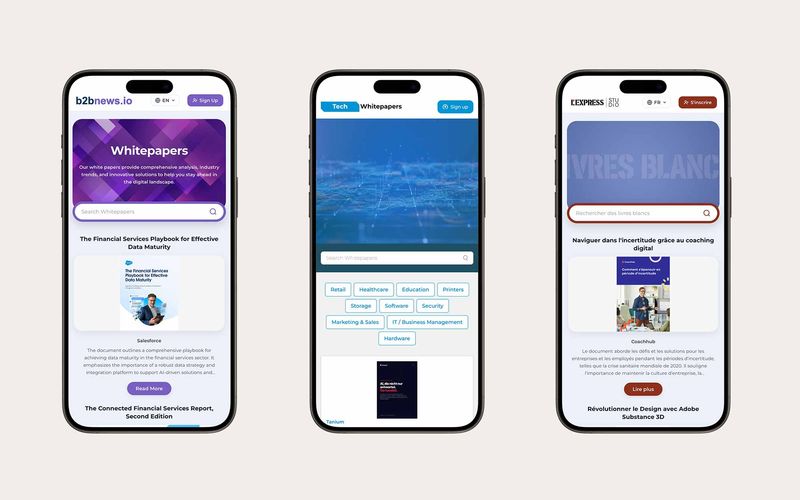
One whitepaper platform, styled for every client.
A template-driven, multilingual whitepaper platform for Rethink Demand's clients — brandable in minutes, synced to Hermes, and built to capture and track every lead.

A brand-led website refresh, live in a week.
A brand-led, multi-page, responsive website refresh for Wakefield personal trainer Camilla Willows (Coach Cam) — designed and built in one week using Claude for speed.
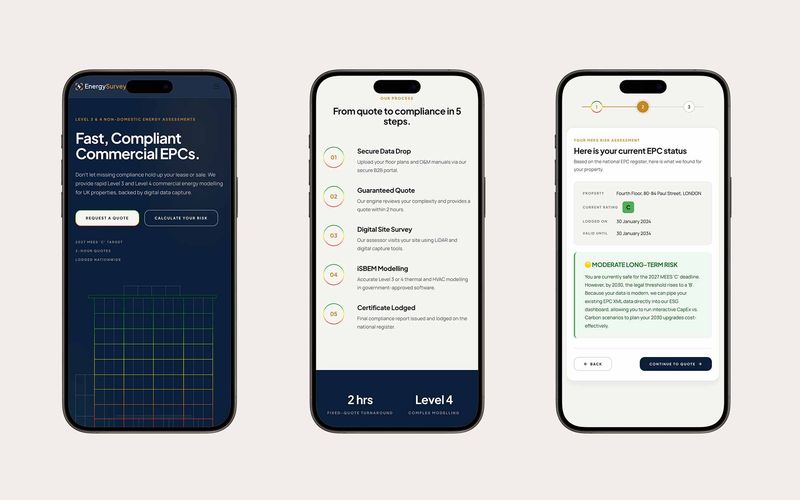
An EPC risk calculator that quotes in minutes.
Our own product for commercial EPCs: an online EPC Risk Calculator that checks a building against the national register, shows its MEES risk instantly, and turns it into a fixed quote for a Level 3 or 4 assessment in under two hours.
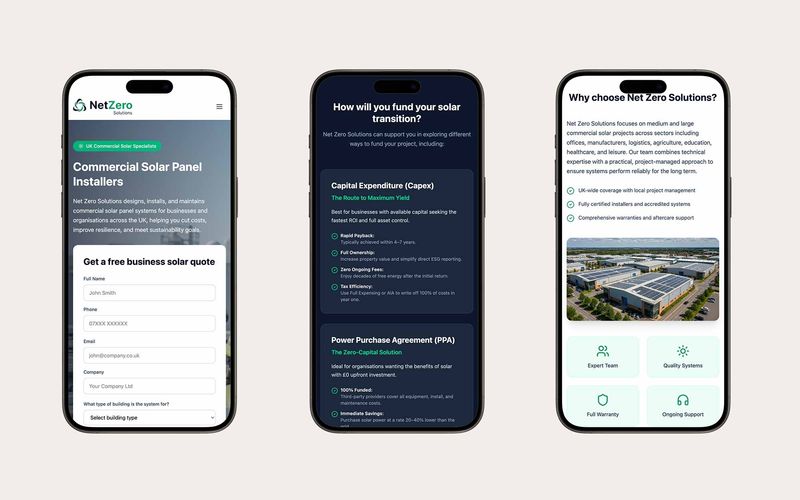
A commercial solar website, built end to end with AI.
A commercial solar website built end to end with AI: vibe-coded directly in Figma Make with every image generated in Google Flow, delivered in one week on a tight budget.
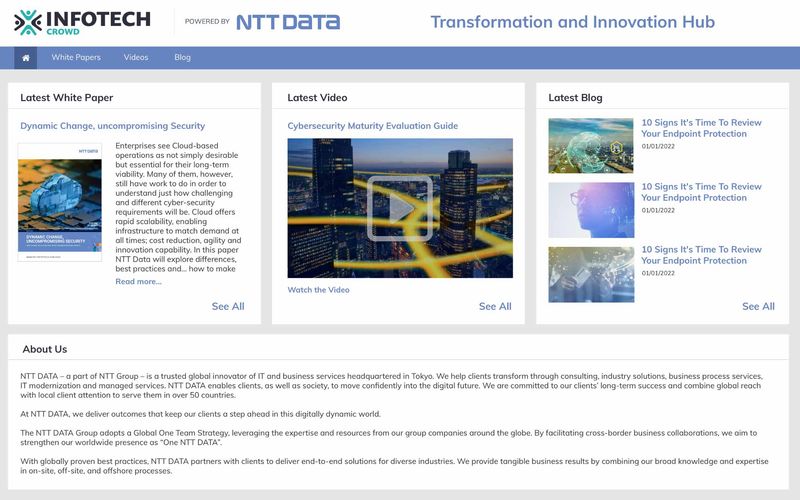
A dynamic content platform, powered by validated data.
An online content syndication platform powered by machine learning and validated B2B data pulled from all over the world.
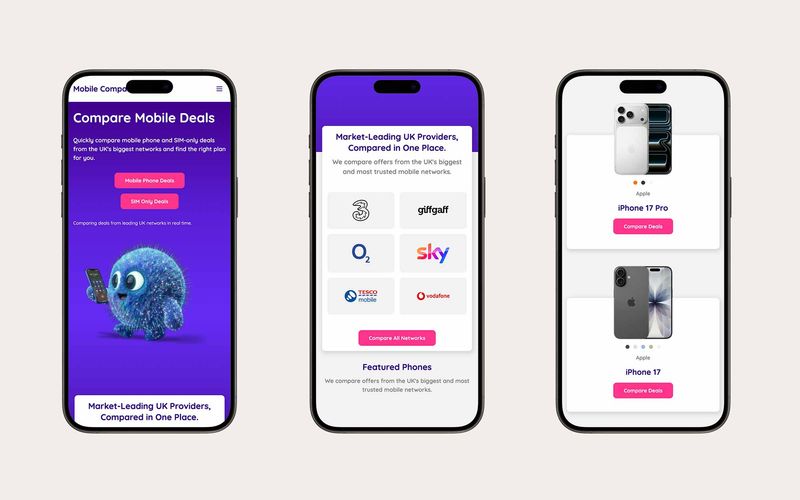
PPC landing pages for a comparison brand, live in two days.
A set of mobile deal comparison landing pages built to power a Google Ads campaign — designed in Figma, built in Figma Make and live in two days, driving paid traffic while building brand on the client's own domain.
What a Next.js build usually includes.
More on Next.js, and how we use it.
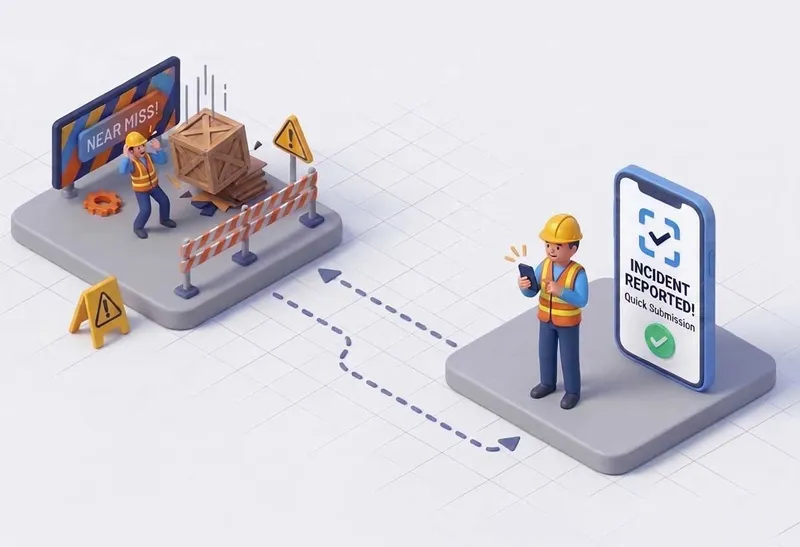
Why don't workers report near misses?
Most near misses go unreported for practical reasons, not because people don’t care. Here’s what gets in the way, and how to make reporting faster than ignoring the hazard.
Read more
How much does a client portal cost to build in the UK?
Week 1 of the Building It Properly series. What a client portal really costs to build in the UK, what pushes the price up, and when not to build one at all.
Read more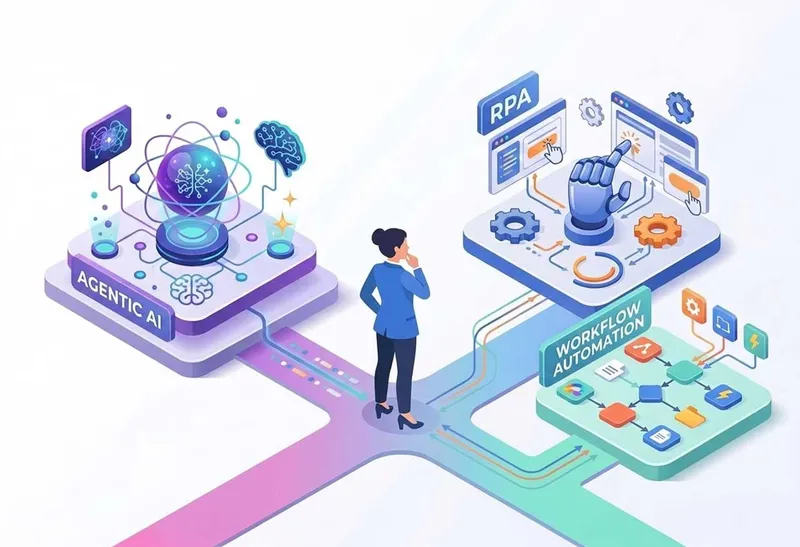
Agentic AI vs RPA vs Workflow Automation: Which Does Your Process Need?
Week 3 of the High Digital Workflow Automation Series. Workflow automation, RPA and AI agents solve different problems. Here’s how to tell which one a process needs, and why the best answer is often all three.
Read moreThe stack we ship on.
Pragmatic, mostly boring, and chosen because it works in production — not because it's on the front page of Hacker News.
Have an outcome in mind?
We'll help you
ship it.
- You're building a data product and need a team that can deliver.
- You want to get AI-ready — pragmatically, not theoretically.
- Your reporting is a mess and you need a real platform underneath it.