.NET development, for systems built to last.
.NET is our choice when a backend needs to sit comfortably inside an existing Microsoft estate, or when a client's team will own and extend it for years — strongly typed, well-tooled, and backed by an ecosystem built for teams bigger than the one that ships version one.


Where .NET earns its place in the stack.
Enterprise backend systems
Line-of-business applications and internal systems that need to sit comfortably inside a larger org's existing infrastructure and processes.
Microsoft ecosystem integrations
Azure services, SQL Server, and the wider Microsoft stack — .NET is the natural fit when that's already where a client's infrastructure lives.
High-throughput APIs
ASP.NET Core is genuinely fast — one of the better-performing mainstream web frameworks, holding up under real production load.
Systems built for hand-off
When a client's own team will own and extend the code for years, .NET's conventions and tooling make that hand-off far less painful.
Built for the team that inherits it.
.NET isn't our default, but it's the right call more often than its reputation suggests — especially when a client is already running on Azure, already has an in-house .NET team, or needs a system built for a large organisation to own long after we've handed it over.
C#'s type system and the wider Microsoft tooling give real guardrails for bigger teams and longer-lived codebases. We're not choosing it out of habit — we're choosing it because, for that specific shape of problem, it's genuinely the more sensible option.
Deep Azure integration
Azure Functions, App Service, Azure SQL — .NET is a first-class citizen on Azure, with no bridging layer needed to make the pieces talk to each other.
Built for hand-off
Strongly typed, conventionally structured, well-documented — a client's own team can pick up a .NET codebase and actually maintain it, not just read it.
Enterprise-grade tooling
Visual Studio, xUnit, mature debugging and profiling — tooling that scales to larger teams and longer-lived codebases, not just a single developer's laptop.
Performance that holds up
ASP.NET Core benchmarks among the fastest mainstream web frameworks. It's not just fine for enterprise workloads — it's genuinely quick.
Not sure .NET's the right fit? Ask the engineer who'd build it.
Book a 30-minute working session with a senior engineer — a real conversation about your stack, not a sales call.
Built with clients
who measure outcomes.
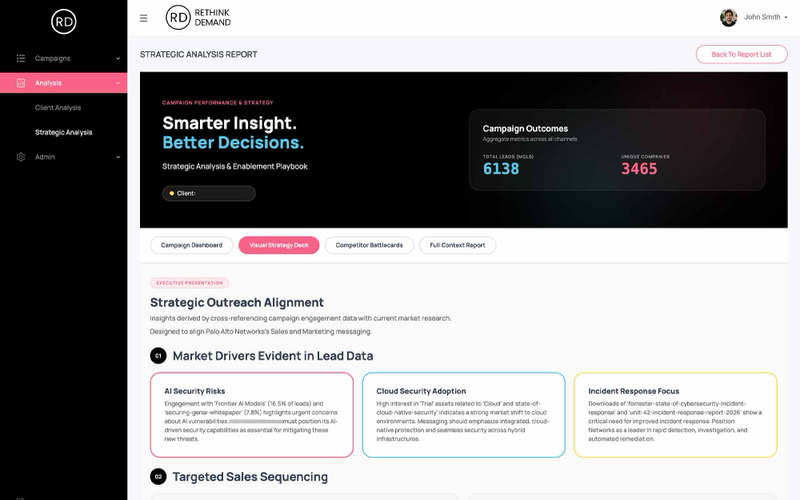
A single source of truth for prospect intelligence.
A centralised platform to manage the acquisition, cleansing, matching and enrichment of prospect data at scale — replacing fragmented sources and manual scoring with one unified system.
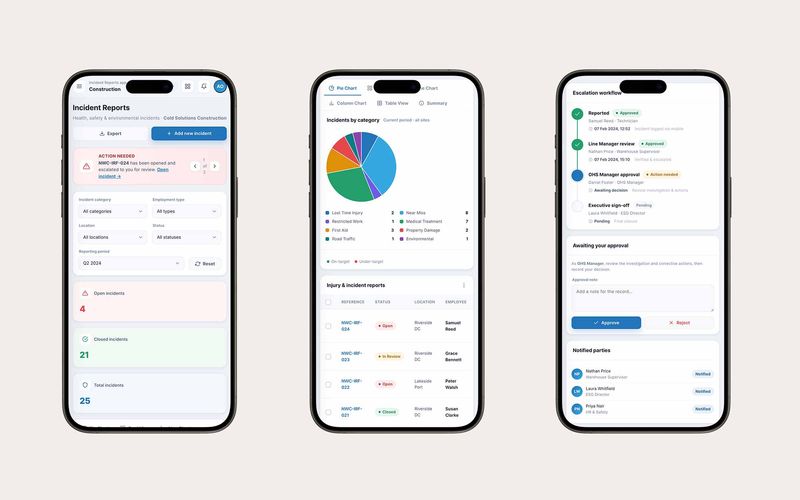
Time-critical incident reporting, built for the field.
A realtime incident reporting application built to collect, escalate and report on incident data across the cold chain and construction business.
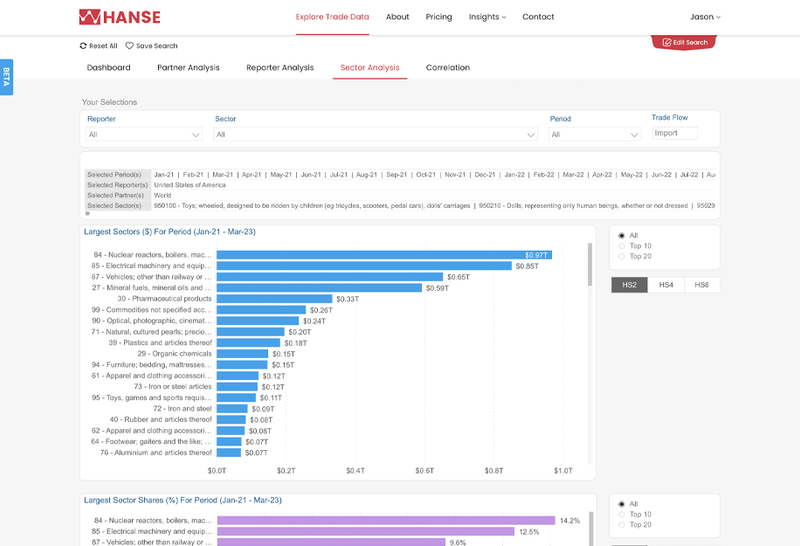
A unified analytics platform from scattered, siloed data.
Built to aid sustainable economic development, Hanse helps businesses identify crucial international trade patterns — winner of Innovate UK funding.
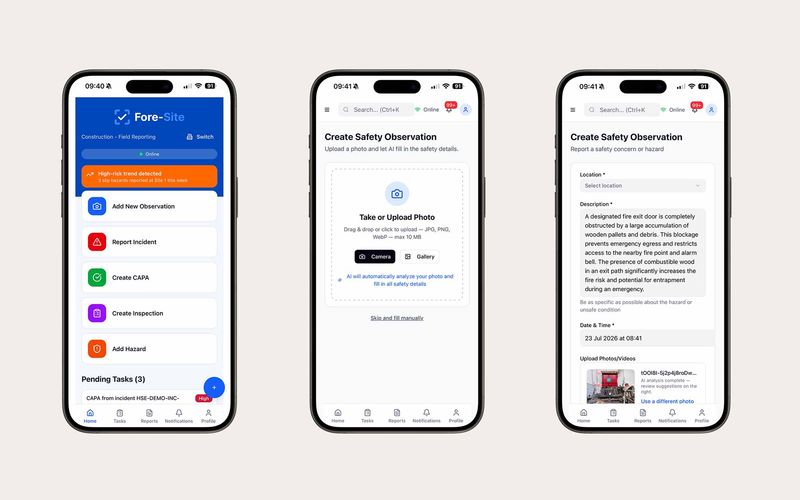
AI HSE reporting, from a single photo.
Our own product: an AI-powered progressive web app that turns a single photo into a complete observation, incident or hazard report — with a desktop command centre for tracking, investigation and approvals. Works offline and syncs on reconnect.
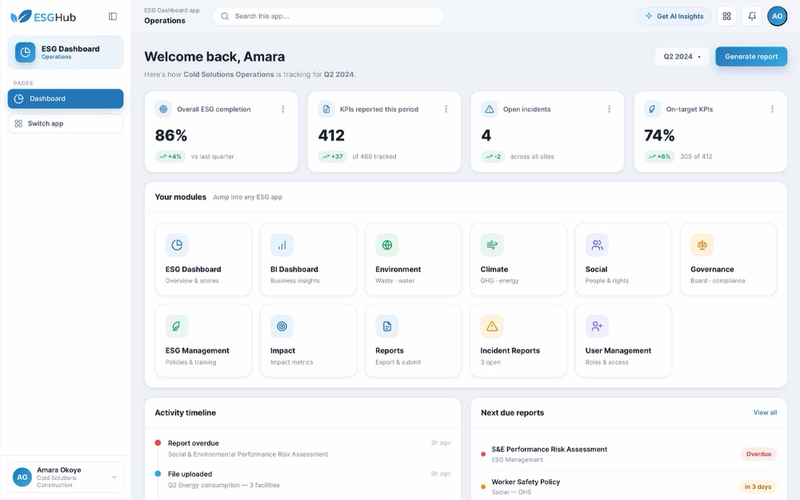
Real-time carbon & compliance reporting for cold chain.
A data management platform built to manage ESG data and deliver ESG insights, analytics and reports to the business and its stakeholders.
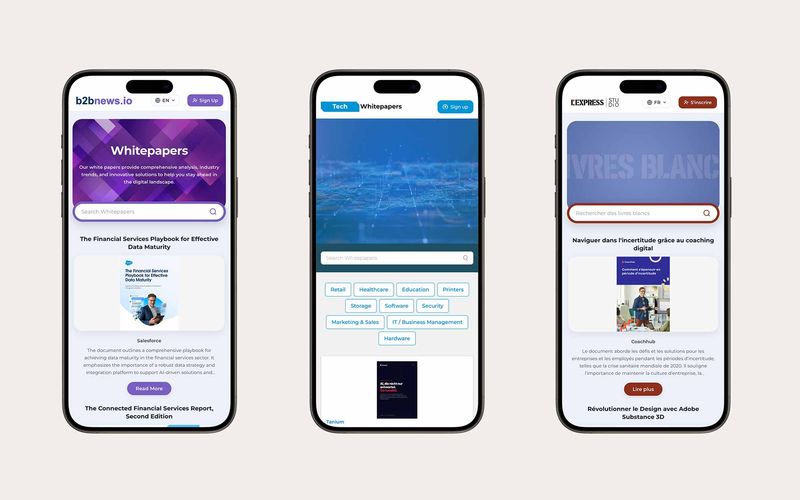
One whitepaper platform, styled for every client.
A template-driven, multilingual whitepaper platform for Rethink Demand's clients — brandable in minutes, synced to Hermes, and built to capture and track every lead.
What a .NET build usually includes.
More on .NET, and how we use it.
Proposal App AI-Driven Scoping & Estimation
Week 6 of the High Digital AI Initiatives Series. We’ve saved one of our biggest commercial bottlenecks for last: generating enterprise project proposals.
Read more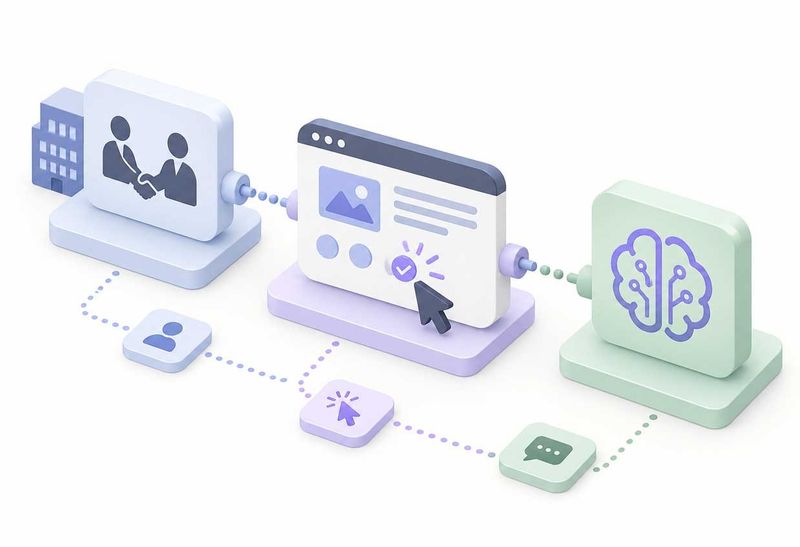
B2B White-papers Interactive Content & NLP
Week 5 of the High Digital AI Initiatives Series. Today, we are radically redesigning how B2B buyers interact with thought leadership content.
Read more
Fore-Site: Computer Vision for Field Operations
Week 4 of the High Digital AI Initiatives Series. This week, we’re moving from the database to the field, exploring applied computer vision
Read moreThe stack we ship on.
Pragmatic, mostly boring, and chosen because it works in production — not because it's on the front page of Hacker News.
Have an outcome in mind?
We'll help you
ship it.
- You're building a data product and need a team that can deliver.
- You want to get AI-ready — pragmatically, not theoretically.
- Your reporting is a mess and you need a real platform underneath it.