Tailwind, styled without the overhead.
Tailwind is how we keep a growing interface visually consistent without a separate stylesheet slowly falling out of sync with the components it's meant to describe. Utility-first, constrained to real design tokens, and fast enough that styling is rarely what slows a build down.


Where Tailwind earns its place in the stack.
Rapid UI development
Styling happens right in the markup, so there's no context-switching to a separate CSS file to try, tweak and see a change — that speed compounds over a build.
Consistent design systems
Spacing, colour and type are constrained to a real token set from the start, so a growing interface stays visually coherent instead of drifting page by page.
Responsive by default
Breakpoint utilities are built into every class, so a component is designed for every screen size from the first pass, not patched afterwards.
No CSS bloat
Unused styles are purged from the production build automatically — the CSS that ships is only what the interface actually uses.
Consistent, by construction.
Tailwind isn't about writing less CSS for its own sake. It's that styling directly in the markup, against a constrained set of design tokens, makes it genuinely hard to end up with an interface that looks different depending on who built which screen.
The old argument against utility classes — "the markup gets messy" — mostly disappears once a component library exists to wrap the repetition. What's left is speed, and an interface that's consistent because the tokens make inconsistency the harder path.
Speed that compounds
No naming a class, no switching files, no wondering if a style already exists somewhere else — building and adjusting UI happens in one continuous loop.
Consistency without a style guide
A constrained set of spacing, colour and type tokens means the interface stays coherent by default, not because everyone remembered to check a Figma file.
Small production bundles
Unused utility classes never ship — the CSS a user downloads only reflects what the interface actually needs, keeping load times down as the product grows.
Works with any component framework
Tailwind isn't tied to React — the same approach carries over cleanly whatever's rendering the markup underneath it.
Not sure Tailwind's the right fit? Ask the engineer who'd build it.
Book a 30-minute working session with a senior engineer — a real conversation about your interface, not a sales call.
Where Tailwind kept the UI consistent.
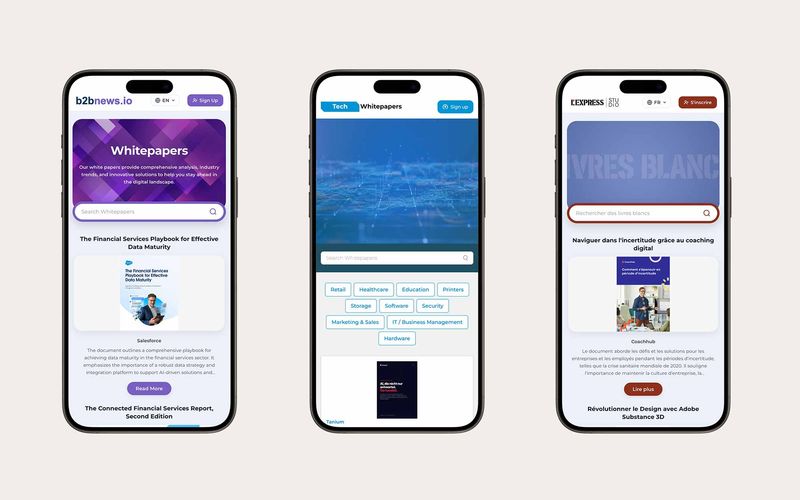
One whitepaper platform, styled for every client.
A template-driven, multilingual whitepaper platform for Rethink Demand's clients — brandable in minutes, synced to Hermes, and built to capture and track every lead.
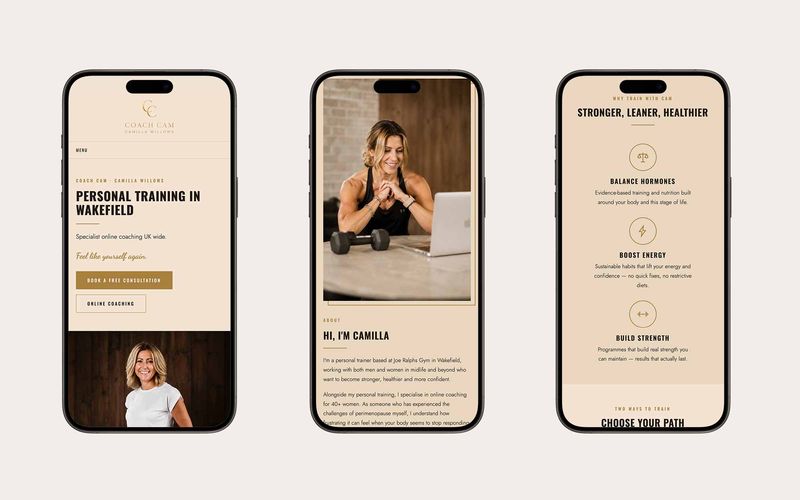
A brand-led website refresh, live in a week.
A brand-led, multi-page, responsive website refresh for Wakefield personal trainer Camilla Willows (Coach Cam) — designed and built in one week using Claude for speed.
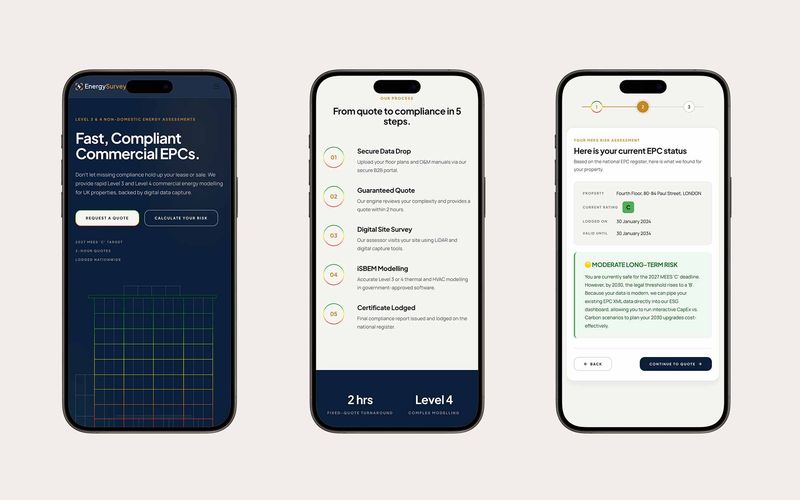
An EPC risk calculator that quotes in minutes.
Our own product for commercial EPCs: an online EPC Risk Calculator that checks a building against the national register, shows its MEES risk instantly, and turns it into a fixed quote for a Level 3 or 4 assessment in under two hours.
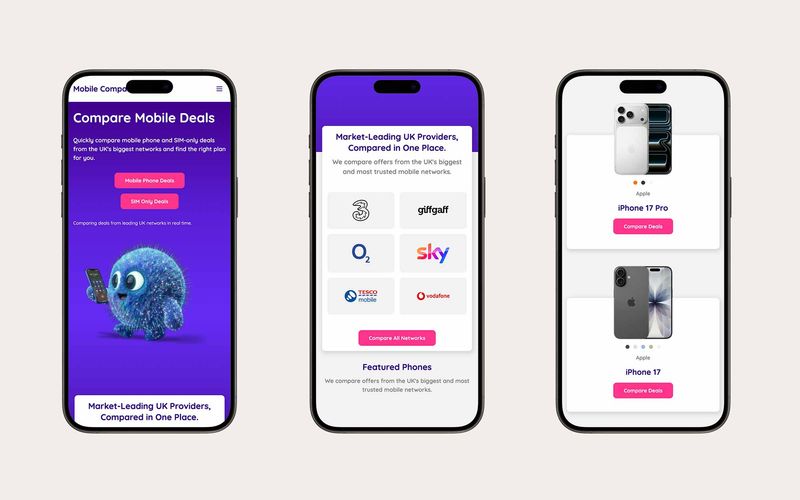
PPC landing pages for a comparison brand, live in two days.
A set of mobile deal comparison landing pages built to power a Google Ads campaign — designed in Figma, built in Figma Make and live in two days, driving paid traffic while building brand on the client's own domain.
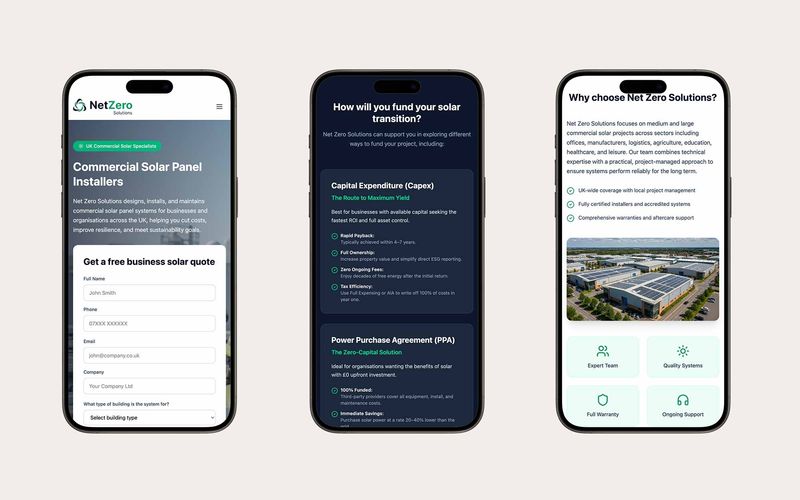
A commercial solar website, built end to end with AI.
A commercial solar website built end to end with AI: vibe-coded directly in Figma Make with every image generated in Google Flow, delivered in one week on a tight budget.
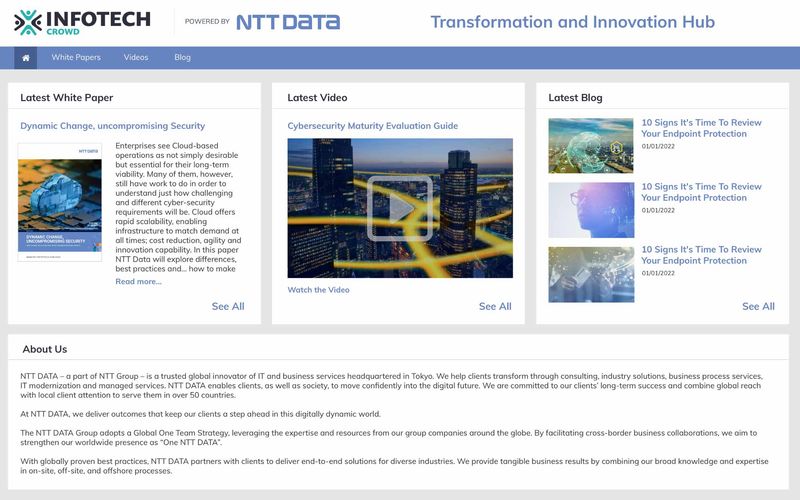
A dynamic content platform, powered by validated data.
An online content syndication platform powered by machine learning and validated B2B data pulled from all over the world.
What a Tailwind build usually includes.
More on Tailwind, and how we use it.

High Digital Earns OpenAI ChatGPT & Codex Solutions Practitioner Recognition
High Digital has earned both ChatGPT Solutions Practitioner and Codex Solutions Practitioner recognition from the OpenAI Partner Network.
Read more
n8n Alternatives in 2026: How to Choose a Workflow Automation Platform (and When to Build Your Own)
Week 1 of the High Digital Workflow Automation Series. We compare the leading n8n alternatives by how they bill, where they run and who they suit, and when building your own makes more sense.
Read more
Proposal App AI-Driven Scoping & Estimation
Week 6 of the High Digital AI Initiatives Series. We’ve saved one of our biggest commercial bottlenecks for last: generating enterprise project proposals.
Read moreThe stack we ship on.
Pragmatic, mostly boring, and chosen because it works in production — not because it's on the front page of Hacker News.
Have an outcome in mind?
We'll help you
ship it.
- You're building a data product and need a team that can deliver.
- You want to get AI-ready — pragmatically, not theoretically.
- Your reporting is a mess and you need a real platform underneath it.